A tale of platforms and one very persistent product owner. (2019–2023)
December 2019. I walked into M1 Singapore, straight into the Digital Office, a battalion formed for one purpose: transformation. They didn’t want babysitters for legacy systems; they wanted revolutionaries. And I was tired of theory. I wanted to build again. They handed me the MVNE/MVNO portfolio. I grinned. This was the good stuff. No more slide decks. Just architecture, ambition, and a blank canvas.
The MVNE Master Plan
Most people see Mobile Virtual Network Enabler (MVNE) platforms as boring plumbing. I saw them as empowerment technology, a way to spin up new telco brands overnight. So I started designing a multi-tenant digital platform that could host multiple MVNOs independently, scale regionally without technical migraines, and launch sub-brands like firecrackers. I called it my platform-of-platforms.
The Launch List
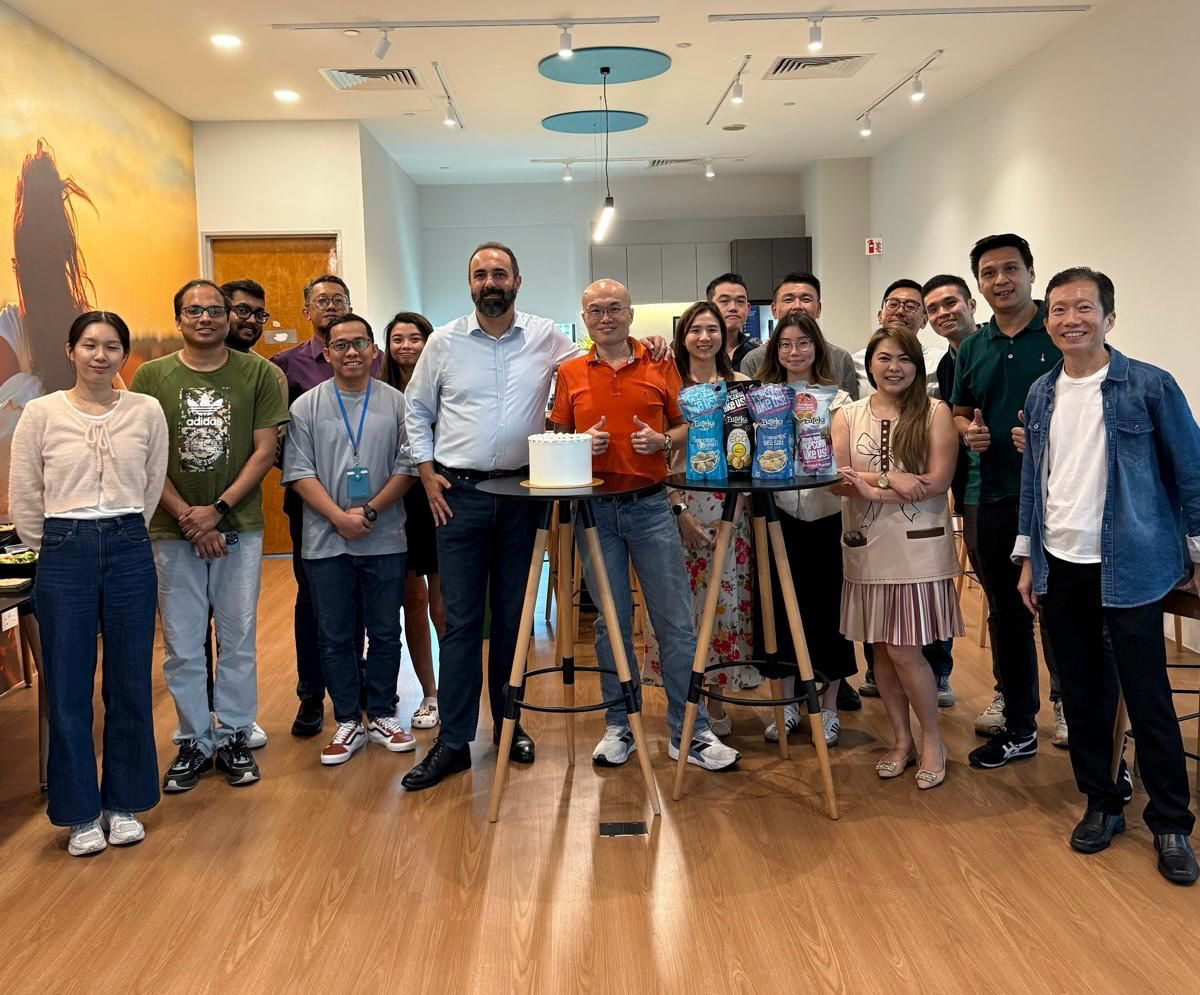
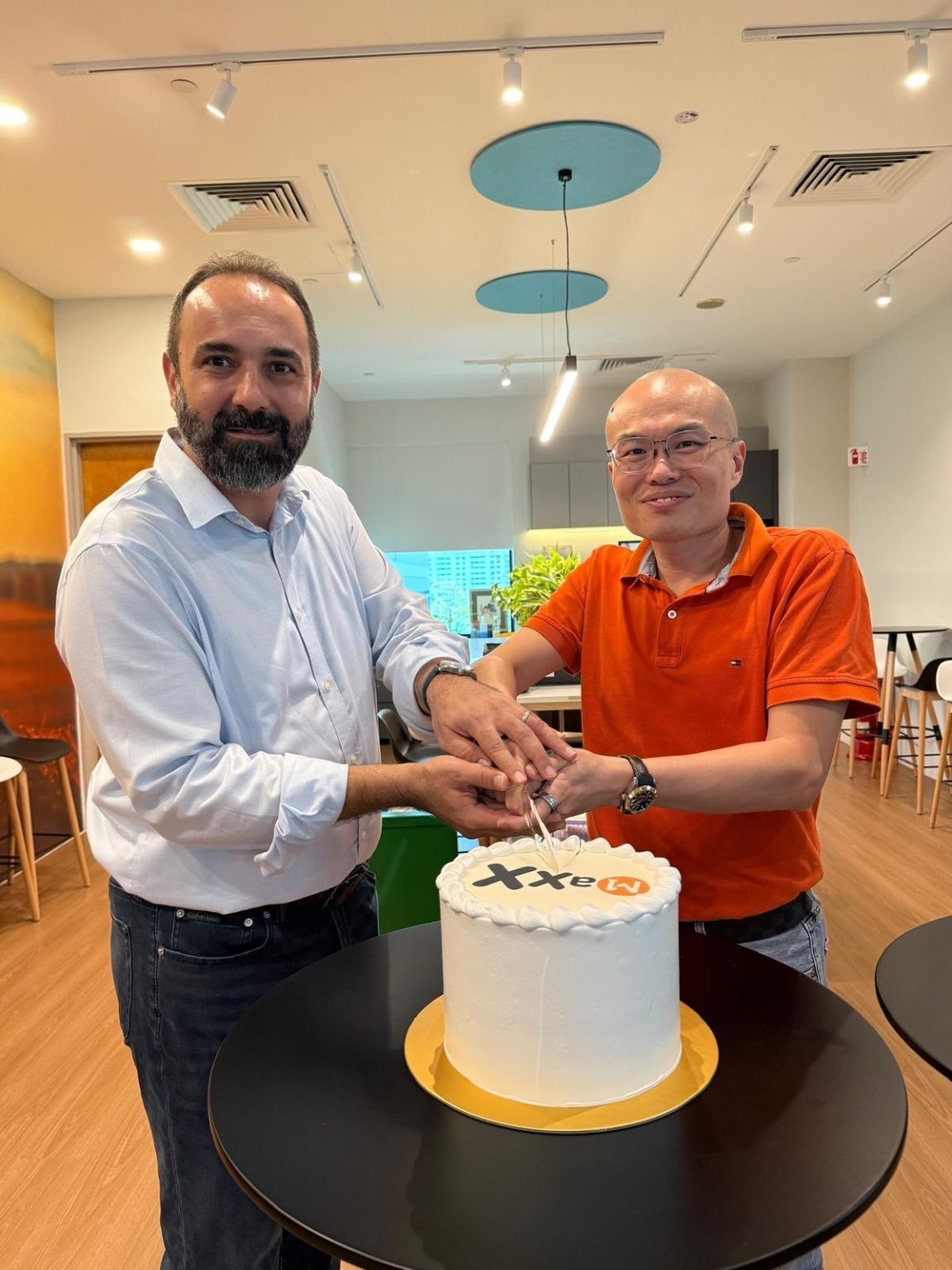
In just 18 months, we launched and scaled MyRepublic, Gorilla Mobile, Geenet, Changi Mobile, and the head-turning M1 sub-brand, Maxx. We created flexible onboarding flows that made traditional telcos look ancient. We tied together payment gateways, digital identity, and lifestyle bundles for the ethnic market. All while balancing platform stability and C-suite ping pong. It was glorious chaos. Sometimes your job isn't to pick a lane. It's to build the highway.
Maxx: The Side Project That Took Over
Oh, Maxx! It was the lovechild of simplicity and swagger. We built it like a startup inside a legacy company, lean team, fast pivots, and a sharp focus on SIM-only plans with a digital-first mindset. We gamified top-ups and polished the self-care app until it gleamed. We listened to what the community actually wanted. And it resonated. Maxx wasn't just another brand; it was a philosophy: honest plans, digital freedom, and no B.S. contracts.
Behind the Scenes: Sleepless Success
Let’s not pretend it was all clean API calls and victory laps. We had midnight war rooms when provisioning queues jammed. We had tense meetings with partners over SLAs. We had developers fueled by caffeine and business teams running on pure adrenaline. But we kept moving. Progress doesn't always look pretty. Sometimes it looks like back-to-back incident tickets at 2 a.m. What made it work? Trust. We weren't just building for the market; we were building for each other.
The Prepaid Transformation
Just when I thought things might stabilize, I got another tap on the shoulder: "Khaw, we need you to lead the prepaid transformation." Challenge accepted. This wasn't just about launching new plans; it was about reimagining the entire prepaid experience. I pushed for self-onboarding with digital KYC, seamless migration journeys, and a user experience that didn't feel like it was from 2003. Slowly, we turned prepaid from an afterthought into a strategic growth engine.
A New Philosophy
Somewhere along the way, I jotted this on a whiteboard: "The best product managers don’t just manage features. They manage faith in the team, in the vision, and in the user." That became my compass. Every time someone said something was "impossible," I’d ask, "What’s really blocking us?" Nine times out of ten, it wasn't the technology. It was the mindset.
And let’s not forget, all of this was happening during the pandemic. Remote everything. Virtual launches. Teams working from home with toddlers on their laps and Wi-Fi that hated Zoom. And yet, we launched. We scaled. We thrived. Innovation isn't about big ideas. It's about resilience in motion.
Preparing for Lift-Off
By late 2023, the platforms were built and the brands were launched. We’d shown what a digital telco could look like. And now, the mission was expanding. From sub-brands and MVNOs to a full, core BSS transformation. Next stop: Head of Platform for M1. This era taught me how to manage momentum, how to defend the customer’s voice, and how to refuse to settle for "good enough."
💡 How to use this signal
Define your platform philosophy. Are you building a product with a finite set of features, or are you building a highway that empowers others to create their own vehicles? A leader’s most critical job during a transformation is to manage momentum and faith. When you face technical roadblocks, look for the underlying mindset that needs to shift. Championing this change and protecting your team from the ensuing chaos is how you turn a digital project into a digital movement.